Powered by Prayer: Elevating Your Crafting Projects with Precision and Purpose
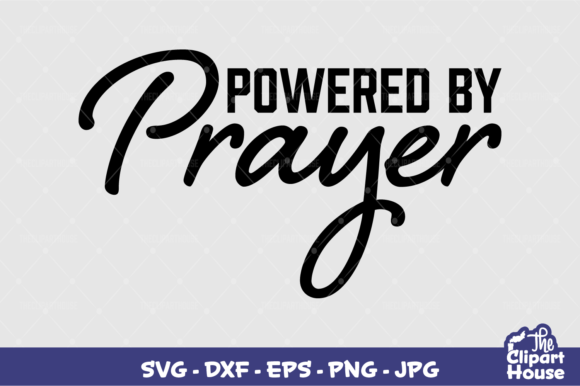
In a world saturated with mass-produced items, there is a profound desire to create something that carries personal meaning. Powered by Prayer represents more than just a digital design; it is an invitation to infuse your daily creations with intention. Whether you are a seasoned entrepreneur looking to expand your product line or a hobbyist wanting to make a unique gift for a loved one, this design offers a versatile foundation for your creative journey. However, the path from a digital file to a finished product is often paved with avoidable pitfalls. Understanding the nuances of how to use these files can mean the difference between a project that inspires and one that ends up in the trash.
Many creators assume that downloading a file is the final step, but the real work begins with preparation. The "Powered by Prayer" design is optimized for cutting machines like Cricut and Silhouette, yet its potential extends far beyond simple vinyl cuts. It is designed to be adaptable for heat transfer printing, iron-on applications, stickers, invitations, stationery, party supplies, business cards, website designs, jewelry, and much more. This versatility is its greatest strength, but it also requires a strategic approach to ensure every output looks professional.
Navigating File Formats and Software Compatibility
One of the most common misunderstandings among beginners involves the variety of formats included in the download package. You will receive a comprehensive set of files: one SVG, one PNG, one JPEG, one EPS, and one DXF. While having options sounds ideal, using the wrong format for your specific machine can lead to frustration. For instance, if you are using a Cricut Design Space or Silhouette Studio, the SVG file is usually your best bet because it retains vector data, allowing you to resize the design without losing quality. Conversely, if you plan to print the design on a standard home printer for stickers or stationery, the high-resolution PNG or JPEG is essential.
A frequent error occurs when users attempt to open complex vector files in software that cannot interpret them correctly. If you try to load an EPS or DXF file into a basic image editor rather than a dedicated cutting program, the lines may appear broken or the colors might disappear. To avoid this, always identify your primary workflow first. If you are creating custom t-shirts, prioritize the SVG for the cutter and the PNG for any printed elements. Remember that extracting these files requires a zip program. Without one, you may struggle to access the individual components needed for your project.
The Heat Transfer Trap
When applying Powered by Prayer to clothing via heat transfer vinyl (HTV) or iron-on materials, many users overlook the importance of mirroring their design. Because the design is meant to be applied face-down onto fabric, failing to mirror the image results in text that reads backward. This mistake is not just a minor annoyance; it renders the garment unusable and wastes expensive materials. Always double-check your software settings before sending the cut job to the machine. Furthermore, ensure that the weeding process—the removal of excess vinyl—is done carefully to preserve the delicate details of the prayer text.
Another oversight involves temperature and pressure. Different fabrics react differently to heat. A cotton shirt may require a higher temperature than a polyester blend. Applying the design with insufficient heat leads to peeling after the first wash, while excessive heat can scorch the material or cause the ink to bleed. Test a small scrap of your intended fabric before committing to the full project. This simple step saves money and ensures the longevity of your creation.
Maximizing Value Across Diverse Applications
The true power of this design lies in its adaptability. Entrepreneurs often look for ways to maximize the value of a single purchase. Instead of buying separate files for different products, a well-planned strategy allows you to use the same core design for business cards, website graphics, and physical merchandise. However, scaling issues often arise here. A design that looks perfect on a large banner may lose legibility when shrunk down for a business card or a piece of jewelry.
To maintain quality across all mediums, pay close attention to resolution. When converting the SVG for use in a raster-based application like Photoshop or for printing on paper, ensure the export settings are set to at least 300 DPI. Lower resolutions result in pixelated edges, which can make a professional-looking business card appear cheap. Similarly, when designing for jewelry, such as pendants or charms, the intricate details of the text must remain sharp. If the design becomes too small, consider simplifying the layout or choosing a font weight that remains visible at reduced sizes.
Common Mistakes in Digital Marketing and Branding
Bloggers and marketers frequently integrate designs like Powered by Prayer into their content to build community engagement. A common mistake is placing the design over busy backgrounds or images with high contrast, making the text difficult to read. White text on a light background, for example, creates a visibility issue that alienates readers. Use the provided PNG files with transparent backgrounds to layer the design effectively, ensuring it stands out against your chosen backdrop.
Another pitfall is ignoring the aspect ratio. Social media platforms have specific requirements for image dimensions. Stretching the design to fit a square Instagram post or a rectangular YouTube thumbnail distorts the proportions, making the message feel unprofessional. Instead of stretching, crop the surrounding space or adjust the canvas size to accommodate the design's natural shape. This preserves the integrity of the typography and maintains the visual balance of your brand assets.
Evaluating Quality Before You Commit
Before purchasing or downloading any digital asset, it is wise to evaluate the source and the file structure. While this package includes multiple formats, verify that the lines are continuous and the curves are smooth. Look for any stray points or overlapping paths that could confuse your cutting machine. These technical glitches can cause the blade to skip or cut through layers unintentionally. If you are unsure, run a test cut on a small piece of scrap material to check alignment and depth.
For educators and freelancers, understanding the licensing terms is crucial. Ensure that the usage rights align with your intended purpose, whether it is for personal gifts or commercial sale of finished goods. Misinterpreting these terms can lead to legal complications down the road. Always read the fine print to confirm what is permitted, especially regarding the number of end products you can sell.
Ultimately, the goal is to create something that resonates. By avoiding these common errors and approaching the Powered by Prayer design with careful planning, you ensure that your efforts translate into high-quality results. Whether you are crafting a heartfelt gift, launching a new product line, or enhancing your online presence, taking the time to get the details right pays off in satisfaction and professionalism. Treat each step—from extraction to application—as an opportunity to refine your craft, resulting in projects that truly reflect the care and intention behind them.