Unlocking Creativity with Hand Drawn Botanical 18: A Comprehensive Guide to Versatile Digital Art
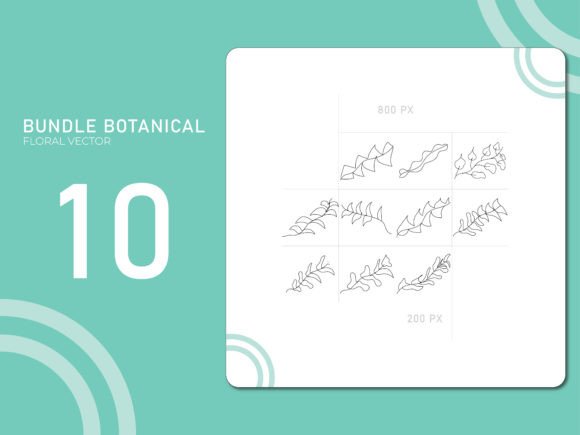
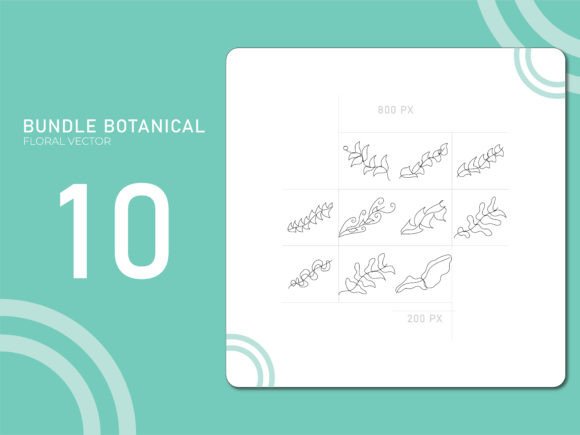
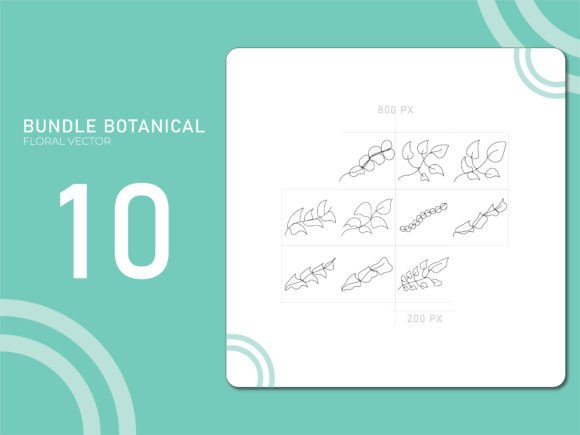
In the rapidly evolving landscape of digital design, the demand for authentic, organic aesthetics continues to rise. While vector graphics and stock photography offer precision, they often lack the unique character that comes from a human touch. This is where Hand Drawn Botanical 18 stands out as a transformative resource for creators across various industries. This hand drawn botanical clip art bundle includes a total of 10 high quality EPS and JPG File formats, offering a bridge between traditional illustration techniques and modern digital workflows.
The versatility of this collection allows users to move beyond simple image placement. After purchase, you can download the EPS files and arrange however you like to create your own composition. Whether you are designing a luxury wedding invitation or launching a new eco-friendly product line, the ability to manipulate individual elements provides a level of customization that pre-made templates simply cannot match. The following sections explore how this specific bundle serves as a foundational tool for professional output and personal projects alike.
The Power of Vector and Raster Integration
One of the most significant advantages of this collection lies in its dual-format delivery. By including both EPS and JPG files, the bundle caters to different stages of the design process and varying technical requirements. Understanding the distinction between these file types is crucial for maximizing the utility of Hand Drawn Botanical 18.
EPS (Encapsulated PostScript) files are vector-based, meaning they are composed of mathematical paths rather than pixels. This characteristic ensures that when you download the EPS files and arrange them within your software, the images remain crisp at any size. You can scale a single leaf from a business card up to a billboard without losing resolution or introducing jagged edges. This scalability is particularly vital for print-on-demand applications where the final output dimensions may vary significantly based on the product type.
Conversely, the inclusion of 10 high quality JPG files offers immediate usability for web-based projects or quick mockups. These rasterized versions provide a ready-to-use look that mimics the texture of ink on paper, perfect for social media graphics or digital invitations where file size and loading speed are priorities. The combination of these formats means that a single purchase supports a workflow that spans from initial concept sketching to final large-scale production.
Designing Custom Compositions
The true potential of this asset library is realized when designers stop viewing the images as static assets and start treating them as building blocks. The prompt to use image editing software such as Adobe Photoshop or Gimp to create your composition is not merely a suggestion; it is an invitation to artistic freedom. Unlike rigid clip art sets where elements are locked together, this bundle encourages experimentation.
Imagine creating a brand identity for a natural skincare company. Instead of using a generic logo, a designer could take a specific fern frond from the set, rotate it, adjust its opacity, and layer it with other floral elements to form a unique crest. Because the EPS files allow for non-destructive editing, the designer can change colors, blend modes, and textures while maintaining the integrity of the original hand-drawn lines. This process results in a visual language that feels bespoke and exclusive to the brand.
Furthermore, the ability to rearrange elements facilitates the creation of seamless patterns. By tiling specific leaves or flowers from the collection, one can generate custom backgrounds for packaging, website headers, or fabric prints. This capability transforms a simple clip art bundle into a comprehensive pattern-making toolkit, expanding the scope of what can be achieved with a single purchase.
Applications Across Diverse Industries
The utility of Hand Drawn Botanical 18 extends far beyond the realm of graphic design studios. Its organic aesthetic resonates with a wide array of sectors, each leveraging the imagery for distinct purposes. The options are endless, reflecting the broad appeal of nature-inspired design.
- Stationery and Invitations: In the wedding and event industry, there is a persistent trend toward rustic and elegant themes. The premade borders seen in the product photos serve as excellent starting points for save-the-date cards, menu designs, and thank-you notes. Designers can easily integrate these borders with custom typography to create cohesive stationery suites that evoke a sense of timeless romance.
- Product Decoration and Packaging: For businesses selling artisanal goods, such as teas, soaps, or jams, packaging is a critical marketing channel. Using these botanical elements to decorate labels adds a layer of authenticity that suggests natural ingredients and careful craftsmanship. The high-quality resolution ensures that fine details are preserved even on small packaging surfaces.
- T-Shirts and Apparel: The fashion industry frequently draws inspiration from nature. Print-on-demand sites rely heavily on unique, scalable artwork to differentiate their offerings. Since the EPS files support large-scale printing, artists can place these botanical illustrations on everything from tote bags to hoodies without worrying about pixelation. The hand-drawn style also appeals to consumers seeking "vintage" or "bohemian" aesthetics.
- Educational Materials: Educators and researchers often need engaging visuals for textbooks, worksheets, and presentations. The realistic yet stylized nature of the drawings makes them ideal for biology classes or environmental science materials. They provide a clear representation of flora without the sterility of scientific diagrams, making learning more accessible and visually appealing.
Workflow Optimization for Professionals
For professionals managing multiple client projects, efficiency is paramount. Integrating Hand Drawn Botanical 18 into a standard workflow can significantly reduce production time while increasing the perceived value of the deliverables. The recommended approach involves setting up a dedicated asset library within your design software.
When beginning a project, the first step is to import the relevant EPS files. Using layers effectively allows the designer to isolate specific plants or borders, adjusting their hue and saturation to match the client's brand guidelines. Because the files are vectors, color adjustments are instantaneous and reversible. This flexibility is essential when a client requests a last-minute change, such as switching a green palette to a monochromatic scheme.
Additionally, the premade borders mentioned in the product description offer a shortcut for complex layouts. Instead of manually arranging individual leaves to frame text, a designer can drag a border onto the canvas, resize it to fit the page margins, and immediately have a polished frame. This saves hours of manual labor, allowing the designer to focus on typography and overall layout strategy. The result is a professional finish that meets tight deadlines without compromising on quality.
Considerations for Implementation
While the benefits of using this bundle are substantial, successful implementation requires attention to certain technical considerations. One primary factor is the software environment. As noted, image editing software such as Adobe Photoshop or Gimp is recommended. However, designers should ensure their software version supports the specific features of the EPS files, such as transparency masks and clipping paths, to fully utilize the arrangement capabilities.
Another consideration is the resolution of the final output. While the source files are high quality, the final print resolution depends on the printer's DPI (dots per inch) settings. For large format prints, designers must ensure that the document is set to a sufficient resolution to capture the intricate details of the hand-drawn lines. Conversely, for digital use, optimizing the file size through compression tools is necessary to maintain fast load times on websites.
Finally, copyright and licensing terms should always be reviewed before commercial deployment. Most professional bundles like Hand Drawn Botanical 18 come with specific usage rights that dictate whether the art can be used for merchandise resale, client work, or internal documentation. Adhering to these terms ensures legal compliance and protects the reputation of the creator or business owner.
The Future of Organic Digital Design
As digital spaces become increasingly saturated with AI-generated content and hyper-realistic 3D renders, there is a growing counter-movement towards imperfection and humanity. The charm of Hand Drawn Botanical 18 lies in its acknowledgment of this shift. It represents a return to the tactile, the imperfect, and the individually crafted.
This trend is not fleeting; it reflects a deeper consumer desire for connection and authenticity. Brands that utilize these organic elements signal that they value human effort and natural beauty over mass-produced perfection. By incorporating these assets into their visual identity, businesses can tap into this emotional resonance, fostering trust and loyalty among their audience.
Whether you are a hobbyist creating a scrapbook page, a researcher illustrating a paper, or a business owner launching a new product line, the flexibility of this bundle offers a pathway to distinctive creativity. The ability to download the EPS files and arrange however you like empowers users to break free from generic templates and craft narratives that are uniquely their own.
In conclusion, Hand Drawn Botanical 18 is more than just a collection of images; it is a versatile toolkit designed to enhance the creative process. With its combination of high-quality formats, customizable elements, and broad applicability, it stands as a valuable asset for anyone looking to infuse their work with the enduring beauty of nature. As the design world continues to evolve, resources that balance technical precision with artistic expression will remain essential for producing meaningful and impactful visual communication.