Cotton Candy Grainy Gradient Textures: Elevating Your Digital Projects with Professional Aesthetics
In the crowded landscape of digital design, standing out requires more than just good typography or a clever layout; it demands an atmosphere. This is where Cotton Candy Grainy Gradient Textures become an indispensable asset for creators seeking to infuse their work with a unique blend of softness and grit. Designed specifically to help you make your projects look professional, this collection of high-resolution textures serves as a versatile foundation for a vast array of creative endeavors. Whether you are a seasoned graphic designer, a small business owner crafting a brand identity, or a hobbyist working on a personal scrapbook, these digital papers offer a solution that bridges the gap between modern aesthetics and tactile depth.
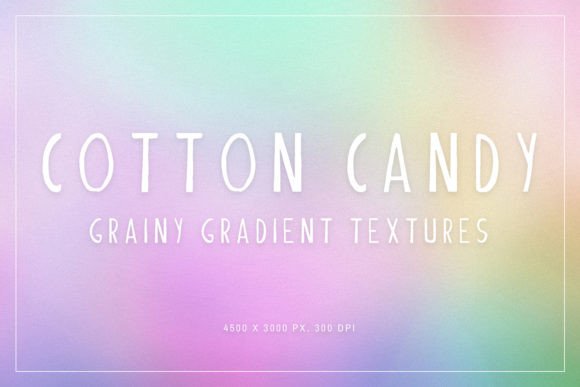
The challenge many designers face today is creating visuals that feel both contemporary and authentic. Flat designs can sometimes appear sterile or too "digital," lacking the warmth that draws a viewer in. Conversely, overly complex textures can clutter a composition and distract from the core message. Cotton Candy Grainy Gradient Textures addresses this balance perfectly. By combining the dreamy, pastel hues reminiscent of spun sugar with a subtle grainy overlay, these textures provide a sophisticated backdrop that adds character without overwhelming the content. They are engineered to solve the common problem of flat, lifeless backgrounds by introducing a layer of visual interest that feels organic and inviting.
Why Texture Matters in Modern Design
Before diving into the specific applications of these files, it is essential to understand why texture is a critical component of effective design. In an era dominated by screen-based media, users are constantly bombarded with pixel-perfect, glossy images. While clarity is important, a lack of texture can make digital assets feel disposable. Adding a grainy gradient introduces a sense of history and physicality, making the digital image feel more tangible and trustworthy.
Cotton Candy Grainy Gradient Textures are particularly effective because they evoke a specific emotional response. The cotton candy theme suggests nostalgia, fun, and sweetness, while the grain adds a touch of edginess and professionalism. This duality allows the textures to be used in contexts ranging from lighthearted party invitations to sleek corporate branding materials. The goal is not just to decorate, but to enhance the perceived value of the project. When a user sees a business card or a website banner with this level of detail, they subconsciously associate the quality of the texture with the quality of the product or service being offered.
Practical Applications Across Industries
The versatility of Cotton Candy Grainy Gradient Textures is one of its most compelling features. Because these files are delivered in a standard JPG format with high resolution, they can be integrated into almost any workflow. Here is how different professionals might utilize these resources to achieve their specific goals:
- Branding and Business Identity: For startups or established businesses looking to soften their image, these textures are perfect for business cards, letterheads, and logo backgrounds. The grainy effect prevents the colors from looking neon or cheap, grounding the brand in a more premium aesthetic.
- Social Media and Web Design: Social media feeds often suffer from repetitive patterns. Using these gradients as overlays for quotes, promotional banners, or post backgrounds can break up the monotony. They serve as excellent canvas layers in Photoshop to add depth to flat vector illustrations or photography.
- Event Planning and Invitations: Weddings, birthdays, and themed parties often rely on color psychology. These textures capture the whimsical nature of celebrations while maintaining a clean, professional finish. They are ideal for digital invitations, save-the-date cards, and event signage.
- Digital Scrapbooking and Crafts: Hobbyists creating digital albums or planning paper crafts will find these files invaluable. The 300 DPI resolution ensures that when printed, the grain remains crisp and does not pixelate, allowing for high-quality physical prints of digital designs.
- Product Photography and Packaging: Designers can use these textures as mockup backgrounds for products. Placing a cosmetic bottle or a piece of jewelry against a Cotton Candy Grainy Gradient Texture can instantly elevate the presentation, making the product appear more luxurious and curated.
Technical Specifications and Implementation
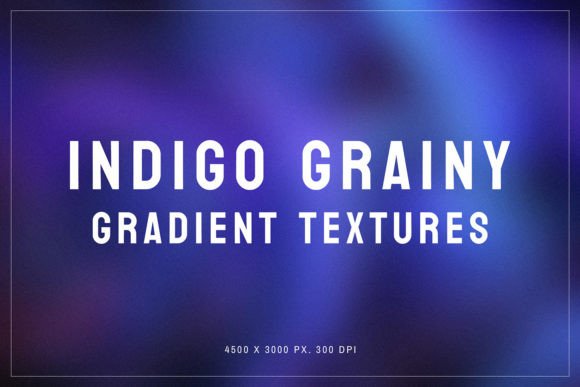
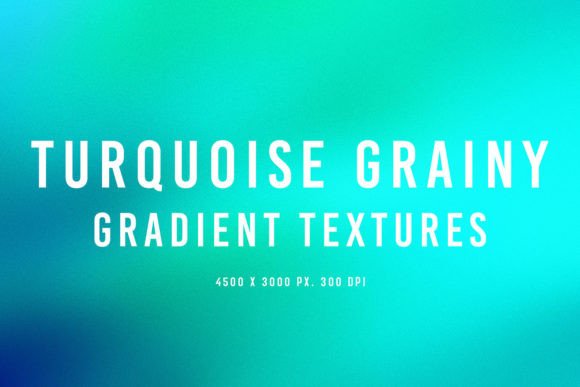
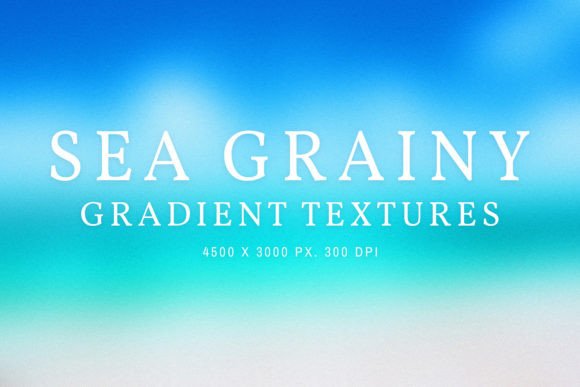
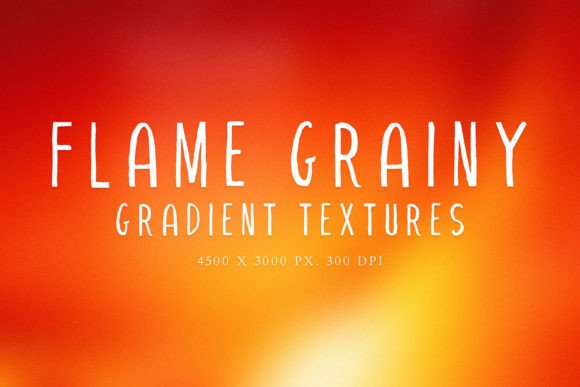
To get the most out of these resources, understanding the technical specifications is key. Each file in this collection is provided as a high-quality JPG File Format with dimensions of 4500 x 3000 PX. This size is substantial enough to cover large canvases without losing detail, yet manageable for quick edits. Furthermore, the 300 DPI resolution guarantees print-ready quality, meaning you can move seamlessly from digital screens to physical prints without needing to upscale or compromise quality.
The color profile is set to RBG Colors, ensuring vibrant and accurate representation across monitors and devices. This compatibility makes them easy to import into industry-standard software like Adobe Photoshop CC or higher. Once imported, the possibilities for manipulation are endless. You can adjust the opacity to create subtle washes of color, change the blending modes to integrate the texture with underlying photos, or crop sections to create custom patterns.
For users approaching these textures differently, the workflow may vary. A web designer might use the full-resolution image as a background and apply CSS filters to reduce the load time while maintaining the visual effect. A print designer, however, would likely keep the full 300 DPI resolution intact to ensure the finest details are preserved during the printing process. Regardless of the approach, the core benefit remains the same: adding a layer of professional polish to the final output.
Maximizing Creative Outcomes
When incorporating Cotton Candy Grainy Gradient Textures into your projects, the key is balance. Overusing the texture can result in a muddy appearance, while underusing it might fail to deliver the intended mood. A recommended strategy is to use the texture as a base layer and build upon it with solid colors, white space, and clear typography. This technique ensures that the text remains legible while the background provides the necessary atmospheric context.
Consider the psychological impact of the "cotton candy" palette. These soft pinks, blues, and purples are naturally associated with positivity and creativity. By pairing these colors with a grainy texture, you avoid the trap of looking childish. Instead, you achieve a trendy, retro-modern look that resonates well with current design trends. This makes the textures suitable for a wide demographic, appealing to both younger audiences who enjoy playful aesthetics and older demographics who appreciate a refined, textured look.
Ultimately, the goal of using Cotton Candy Grainy Gradient Textures is to boost your digital artwork with a sense of intention and style. Whether you are designing a poster for a local event, creating a new website header, or simply enhancing a personal photo album, these textures provide the finishing touch that transforms a basic design into a professional piece of art. By leveraging these high-resolution digital papers, you can streamline your creative process and produce work that stands out in a saturated market.
In conclusion, if you are looking for a resource that combines aesthetic appeal with practical utility, these textures are an excellent investment. They address the need for depth in digital media while offering the flexibility required for diverse projects. From social media graphics to wedding invitations, Cotton Candy Grainy Gradient Textures empower you to create designs that are not only visually stunning but also emotionally engaging. Start experimenting with these files today to see how a simple texture can redefine the look and feel of your next creative project.