Unlocking Professional Aesthetics with Turquoise Grainy Gradient Textures
In the crowded landscape of digital design, visual distinctiveness often hinges on subtle details that elevate a project from generic to polished. Turquoise Grainy Gradient Textures represent a specific intersection of color theory and tactile realism, offering designers a versatile tool to add depth and character to their work. Unlike flat gradients or solid colors, this texture combines the soothing, professional appeal of turquoise hues with a gritty, organic grain overlay. This combination creates a visual experience that feels both modern and grounded, making it an essential asset for creators seeking to enhance the perceived quality of their output without overwhelming the viewer.
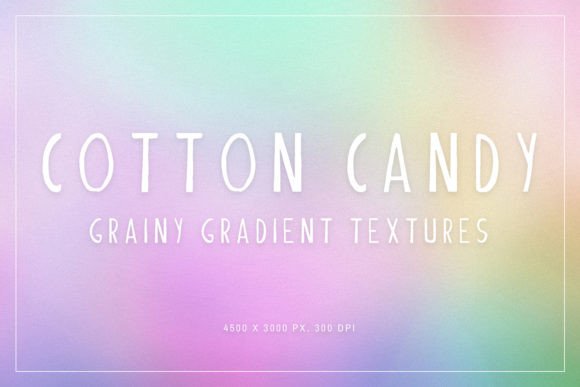
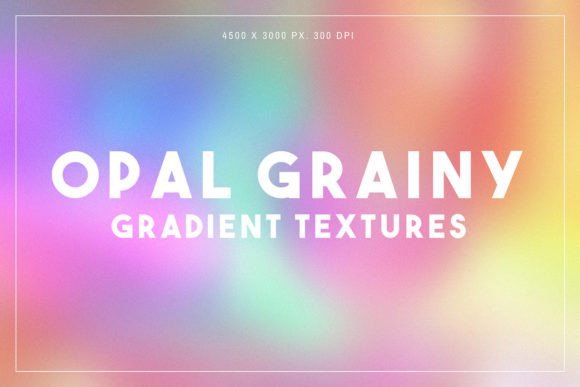
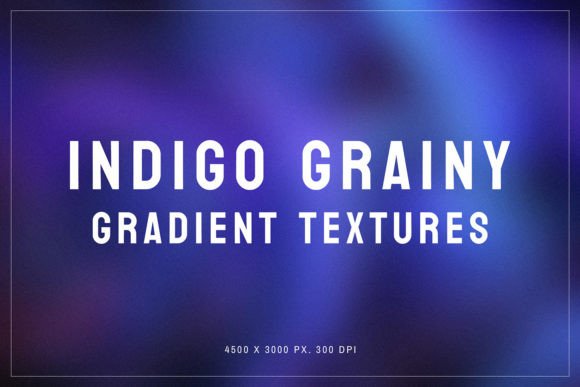
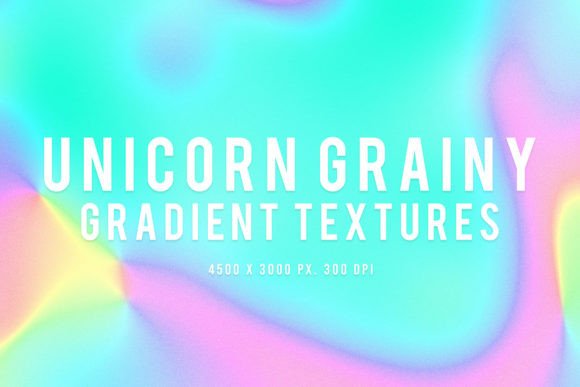
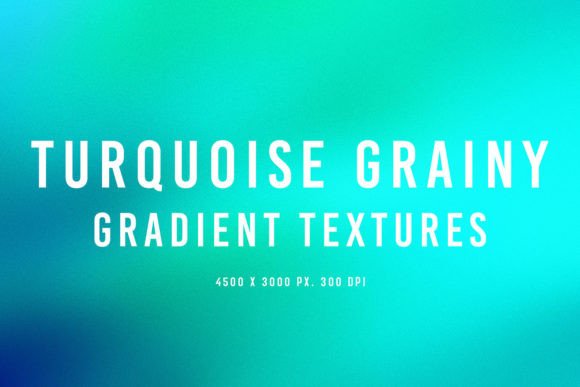
The core value of Turquoise Grainy Gradient Textures lies in its ability to simulate physical materials within a digital environment. The gradient component provides a smooth transition of color, typically moving through shades of teal, aqua, and blue-green, which are psychologically associated with calmness, clarity, and sophistication. Superimposed over this smooth flow is a fine grain pattern. This grain breaks up the uniformity of the digital image, introducing a sense of imperfection that mimics aged paper, concrete, or high-end print finishes. For professionals working on branding, web design, or editorial layouts, this texture serves as a foundational layer that can instantly upgrade the visual hierarchy of a composition.
Evaluating Technical Specifications and Compatibility
When selecting resources for a design project, technical specifications are just as critical as aesthetic appeal. Turquoise Grainy Gradient Textures are engineered with specific parameters that ensure they meet industry standards for high-quality output. Each file is provided in JPG format, a universally compatible standard that allows for seamless integration across various software platforms. The resolution is set at 4500 x 3000 pixels, a dimension that offers substantial flexibility for both expansive web backgrounds and compact print assets.
A key differentiator in this product category is the 300 DPI (dots per inch) specification. In the world of print media, 300 DPI is the gold standard for ensuring crisp, sharp imagery without pixelation. Many free or low-cost textures are optimized only for screen viewing (72 DPI), which renders them unsuitable for business cards, brochures, or large-format posters. By adhering to this higher resolution, Turquoise Grainy Gradient Textures bridge the gap between digital and physical media, allowing designers to maintain consistency across all touchpoints of a brand identity.
Furthermore, the files utilize RGB color mode, which is native to most digital workflows, including Adobe Photoshop CC and higher versions. While CMYK is required for final commercial printing, starting with high-resolution RGB files allows for greater color vibrancy during the editing process. Designers can easily adjust opacity, blend modes, and color overlays within Photoshop to tailor the texture to their specific needs, whether that involves darkening the background for text legibility or lightening it to create a soft, ethereal atmosphere.
Distinguishing Features in a Crowded Market
The market for digital papers and overlays is saturated with options ranging from simple solid colors to complex photographic textures. What sets Turquoise Grainy Gradient Textures apart is the deliberate balance between abstraction and detail. Pure photographic textures often contain distracting elements like watermarks, noise, or irrelevant objects that compete with the main subject of a design. Conversely, simple vector gradients can feel sterile and cold.
This specific texture type occupies a middle ground. The grain adds a "noise" factor that prevents the eye from getting bored, while the gradient ensures there is a clear directional flow. This makes it particularly effective for text overlays. When placing white or light-colored typography over a plain gradient, the text can sometimes lack contrast. However, when overlaid with a grainy texture, the slight variation in tone helps the text pop without requiring heavy drop shadows or outlines. This subtlety is crucial for maintaining a clean, professional aesthetic that does not appear cluttered or amateurish.
Additionally, the color palette of turquoise is strategically chosen for its broad appeal. It is less aggressive than red or orange but more engaging than standard blue or gray. This makes it a safe yet distinctive choice for corporate environments, wellness brands, technology startups, and creative agencies. The texture's versatility allows it to function as a primary background, a secondary accent, or a unifying element that ties disparate design components together.
Practical Applications Across Industries
The utility of Turquoise Grainy Gradient Textures extends far beyond simple background replacement. Its high resolution and professional finish make it suitable for a wide array of applications where visual impact is paramount.
- Branding and Identity: Use these textures as backgrounds for business cards, letterheads, and presentation decks. The grain adds a tactile quality that suggests premium craftsmanship, while the turquoise hue conveys trust and innovation.
- Social Media and Digital Marketing: Create banners, cover photos, and promotional graphics that stand out in crowded feeds. The texture helps break up the monotony of flat UI elements, drawing the user's eye to call-to-action buttons or key messaging.
- Event Design: For weddings, parties, and corporate events, these textures are ideal for digital invitations, website headers, and photo booth backdrops. They offer a sophisticated alternative to traditional floral or geometric patterns.
- Photography and Scrapbooking: Digital scrapbookers and photographers use these layers to give album covers or photo collages a cohesive, vintage-inspired look. The grain mimics the aging process of film, adding emotional resonance to personal memories.
- Product Mockups: Wrap these textures around product packaging designs to visualize how a final product might appear on a shelf. The realistic lighting and texture interaction provide clients with a clearer understanding of the end result.
Weighing Tradeoffs and Alternative Approaches
While Turquoise Grainy Gradient Textures offer significant advantages, it is important to approach their usage with a critical eye. No single resource fits every scenario perfectly. One potential limitation is the file format itself. As JPG files, they support transparency only if saved with specific settings or converted, which can sometimes introduce compression artifacts or jagged edges compared to PNG formats. If a designer requires a perfectly transparent background to place the texture over a non-rectangular object, additional editing steps may be necessary to remove the white or colored borders effectively.
Another consideration is the intensity of the grain. For projects requiring ultra-minimalist aesthetics, such as modern tech interfaces or medical apps, the grain might be perceived as too busy or distracting. In these cases, a pure gradient or a very subtle noise overlay generated directly within design software might be a better fit. Similarly, for projects demanding absolute color accuracy for print production, relying solely on RGB textures without converting to CMYK profiles could lead to color shifts in the final printed piece.
When comparing these textures to alternatives like hand-drawn illustrations or 3D renders, the tradeoff becomes one of time versus customization. Hand-drawn elements offer unique artistic flair but require significant time investment and skill. 3D renders provide infinite control over lighting and perspective but demand advanced software proficiency. Turquoise Grainy Gradient Textures sit in the efficiency lane, providing a ready-made solution that saves hours of manual work while delivering a high level of polish. They are best suited for professionals who need to scale their output quickly without sacrificing quality.
Making the Right Choice for Your Project
Deciding whether to incorporate Turquoise Grainy Gradient Textures into your workflow depends largely on the goals of your current project. If you are looking to establish a cohesive visual language across multiple platforms, these textures provide a reliable anchor. Their compatibility with Adobe Photoshop CC and higher ensures that they integrate smoothly into established pipelines, allowing for easy manipulation via blending modes like Multiply, Overlay, or Soft Light.
For designers evaluating options, the decision should hinge on the desired mood and the medium of delivery. If the goal is to evoke a sense of reliability, creativity, and modern elegance, the turquoise grain is a strong contender. However, if the project demands a stark, high-contrast look or a completely custom artistic style, exploring other categories of assets might be more appropriate. Ultimately, the strength of these textures lies in their adaptability; they are not meant to dominate the design but rather to support it, adding a layer of professionalism that elevates the entire composition.
By understanding the technical capabilities and aesthetic nuances of Turquoise Grainy Gradient Textures, creators can make informed decisions that enhance their work. Whether used for a simple social media post or a comprehensive branding package, these high-resolution digital papers serve as a powerful tool in the modern designer's arsenal, proving that the right texture can make all the difference in the final presentation.