Opal Grainy Gradient Textures for Professional Design
In the crowded digital landscape, where every pixel competes for attention, the difference between a generic design and a standout masterpiece often lies in the subtle details. This is where Opal Grainy Gradient Textures becomes an indispensable asset for creators who refuse to settle for flat, lifeless visuals. These high-resolution digital papers are not merely background elements; they are foundational tools designed to elevate the perceived value of your work instantly.
Whether you are a seasoned graphic designer refining a client's brand identity or a small business owner crafting social media posts that need to pop, these textures provide the sophisticated depth that modern audiences expect. The unique combination of a grainy finish with smooth, opalescent gradients creates a tactile visual experience that mimics premium physical materials while retaining the flexibility of digital creation.
Understanding the Core Characteristics
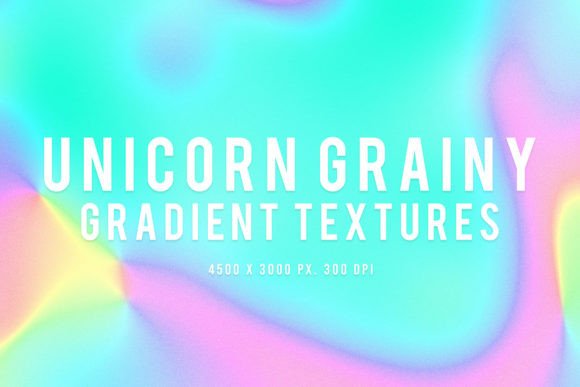
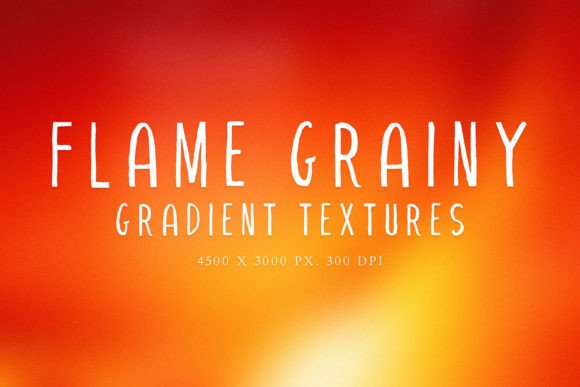
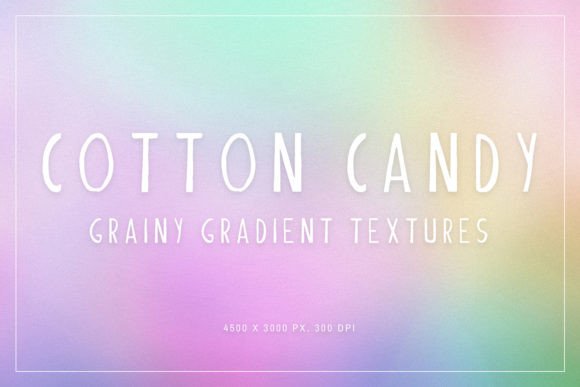
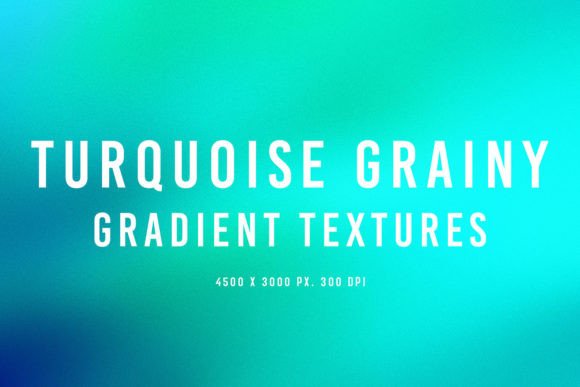
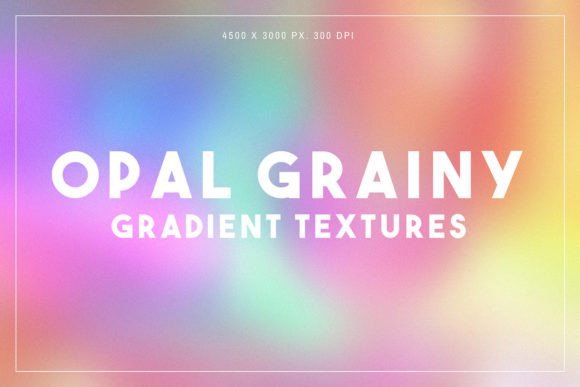
The primary strength of Opal Grainy Gradient Textures lies in their technical precision and aesthetic versatility. Each file is delivered as a high-quality JPG, ensuring broad compatibility across various software platforms without sacrificing clarity. With dimensions of 4500 x 3000 pixels at 300 DPI, these assets offer ample resolution for both screen-based projects and large-format print outputs.
The RGB color mode ensures vibrant, accurate rendering on monitors, making them ideal for web design and digital marketing campaigns. However, the true magic happens when you apply these layers to your own artwork. The grain adds a layer of organic imperfection that breaks up the sterility of pure digital colors, while the gradient provides a seamless flow that guides the viewer's eye naturally across the composition.
When working with Adobe Photoshop CC or higher, integrating these textures is straightforward. They function perfectly as overlay layers, blending modes can be adjusted to achieve anything from a subtle wash of color to a bold, textured statement. This level of control allows professionals to tailor the look to specific project needs without needing advanced compositing skills.
Practical Applications Across Industries
The utility of these textures extends far beyond simple background replacement. Their adaptability makes them suitable for a vast array of professional and personal endeavors. For marketers and entrepreneurs, creating cohesive branding is essential. Using Opal Grainy Gradient Textures on business cards, letterheads, and product packaging introduces a sense of luxury and attention to detail that customers immediately recognize.
- Branding and Identity: Use the textures as backdrops for logos or as subtle overlays on website headers to establish a premium feel.
- Social Media Engagement: Stand out in busy feeds by applying these gradients to quote graphics, promotional banners, and story highlights.
- Event Planning: For weddings and parties, create custom invitations and party backgrounds that look professionally printed rather than digitally generated.
- Digital Scrapbooking: Add depth to photo albums and memory books by using these textures as page fillers that complement photography.
Educators and bloggers also benefit significantly from this resource. A blog post featuring a clean, textured header image retains reader interest longer than plain white space. Similarly, presentation slides enhanced with these gradients appear more dynamic and polished, helping to communicate ideas with greater authority.
Enhancing Visual Communication and User Experience
Why does texture matter so much in digital design? It comes down to human psychology. Flat, solid colors can feel cold and impersonal. By introducing a grainy, opalescent element, designers tap into our innate appreciation for natural materials like stone, fabric, or water. This subconscious connection fosters trust and engagement.
When used effectively, Opal Grainy Gradient Textures improve readability and hierarchy. A textured background behind text can provide enough contrast to make typography stand out without resorting to harsh shadows or borders. This is particularly useful for call-to-action buttons on websites or headlines in email newsletters. The result is a user interface that feels inviting and easy to navigate.
Furthermore, these textures support efficiency in the creative workflow. Instead of spending hours manually creating complex gradients or searching for stock photos that don't quite match the mood, designers can drag and drop these pre-made assets. This time-saving aspect allows professionals to focus more on strategy and concept development rather than getting bogged down in repetitive technical tasks.
Real-World Implementation Strategies
To get the most out of these assets, it helps to think about how they interact with other design elements. For instance, when designing a poster, consider placing the texture behind a central image and reducing its opacity slightly. This technique, known as blending, integrates the texture into the scene rather than letting it sit on top as a distraction.
In the realm of e-commerce, product photography often suffers from sterile white backgrounds. Swapping that white for a soft, grainy gradient can transform a standard product shot into a lifestyle image that suggests quality and exclusivity. This subtle shift can directly impact conversion rates by making the product appear more desirable.
For crafters and hobbyists involved in paper crafts, these digital files serve as excellent templates. You can print them out to create physical mockups, scrapbook pages, or decorative elements for home decor. The high resolution ensures that even when printed, the grain and color transitions remain crisp and beautiful.
Selecting and Evaluating Your Assets
Not all texture packs are created equal. When evaluating options like Opal Grainy Gradient Textures, it is crucial to look at the technical specifications first. The 300 DPI requirement is non-negotiable for any project intended for print. If you plan to use the design for large formats like banners or posters, the 4500 x 3000 pixel width provides the necessary canvas size without risking pixelation.
Compatibility is another key factor. While many modern tools support these formats, sticking to JPGs ensures that you can open the files in almost any image editor, from industry-standard Adobe suites to free online alternatives. This accessibility is vital for freelancers and small teams who may not have access to expensive software licenses.
Consider the color palette as well. Opal tones typically range from soft pastels to deeper, iridescent hues. Ensure that the specific pack you choose aligns with the emotional tone of your project. Cool tones might suit a tech or medical theme, while warmer opals could work better for lifestyle or culinary brands.
Ultimately, the goal is to enhance your project's narrative. These textures should never overshadow the content but rather support it. By understanding the strengths of Opal Grainy Gradient Textures and applying them with intention, you can consistently deliver work that looks professional, polished, and engaging. Whether you are building a brand from scratch or refreshing an existing one, adding this layer of sophistication is a strategic move that pays dividends in audience perception and retention.
As you explore your next creative project, keep these versatile resources in mind. They represent more than just digital paper; they are a bridge between ordinary designs and extraordinary experiences. Embrace the grain, appreciate the gradient, and let these textures bring your vision to life with the clarity and depth it deserves.