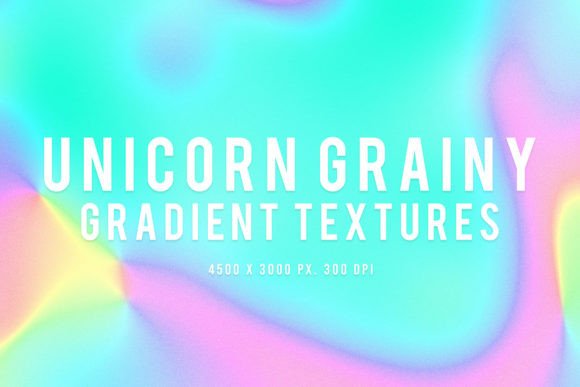
Unicorn Grainy Gradient Textures: A Strategic Asset for Professional Design
In the competitive landscape of digital visual communication, the difference between a generic output and a standout brand often lies in the subtle details. Unicorn Grainy Gradient Textures is not merely a collection of decorative images; it is a strategic tool designed to elevate the perceived value of your work. By integrating these high-resolution textures into your workflow, you are making a deliberate decision to enhance professionalism, depth, and visual interest across a wide array of projects.
The core value of this resource lies in its ability to bridge the gap between flat digital design and tactile, organic aesthetics. Whether you are an entrepreneur crafting a brand identity or a marketer creating social media assets, the grainy gradient effect adds a layer of sophistication that clean, solid colors often lack. This texture provides a sense of history and quality, transforming standard graphics into memorable experiences.
Understanding the Strategic Value of Texture in Digital Design
Why should a professional designer or business owner invest time in adding grainy gradients to their projects? The answer lies in human psychology and visual perception. Flat, vector-based designs can sometimes feel sterile or overly commercial. Introducing a textured element like Unicorn Grainy Gradient Textures introduces imperfection, which paradoxically makes the content feel more authentic and trustworthy.
When you apply these textures, you are essentially manipulating the viewer's attention. The subtle interplay of color and grain creates visual weight, guiding the eye toward specific elements without shouting for attention. This is particularly crucial for branding, where consistency and tone are paramount. A business card featuring a smooth, matte finish with a touch of grain conveys stability and care, whereas a stark white background might feel impersonal.
Furthermore, these textures serve as a unifying element. In a chaotic digital environment filled with high-definition photos and sharp lines, a consistent grain pattern can tie disparate elements together, creating a cohesive narrative. This is essential for long-term branding strategies where recognition depends on a unified visual language.
Technical Specifications and Compatibility
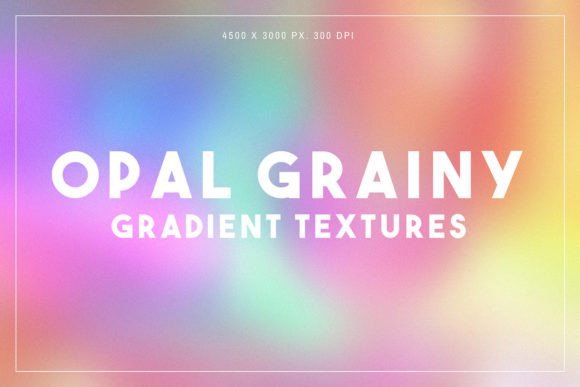
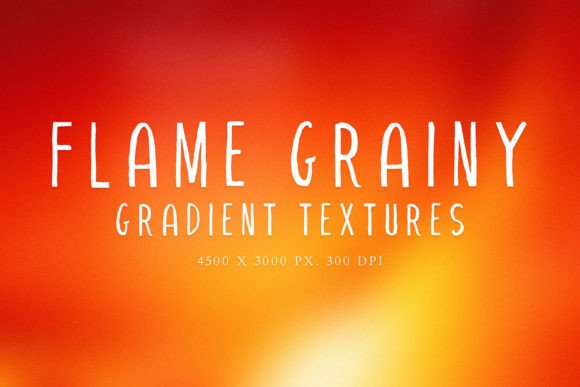
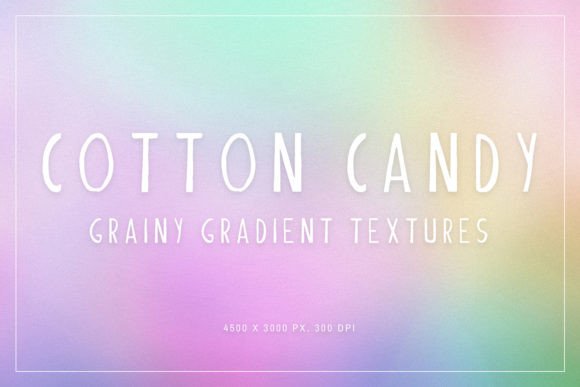
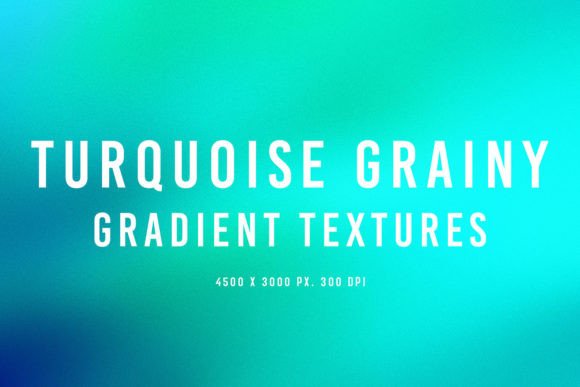
To utilize these assets effectively, one must understand the technical foundation they are built upon. Unicorn Grainy Gradient Textures comes in a JPG file format with dimensions of 4500 x 3000 pixels at 300 DPI. These specifications are not arbitrary; they are chosen to ensure versatility across both digital and print mediums.
- High Resolution (4500 x 3000 PX): This size ensures that the texture remains crisp even when scaled up for large-format prints like banners or posters. It eliminates the risk of pixelation, which can instantly degrade the professional quality of a project.
- 300 DPI: This is the industry standard for high-quality printing. Using these textures guarantees that your physical products, such as invitations or product packaging, will look as polished on paper as they do on a screen.
- RGB Colors: Optimized for digital screens, these colors ensure vibrant display on websites, social media platforms, and digital advertisements.
- Adobe Photoshop CC Compatibility: Designed for professionals, these files integrate seamlessly into Adobe Photoshop CC or higher, allowing for advanced layering, blending modes, and masking techniques.
Strategic Applications Across Industries
The utility of Unicorn Grainy Gradient Textures extends far beyond simple decoration. Its application should be guided by specific goals, whether those involve enhancing user experience, reinforcing brand identity, or increasing engagement.
Branding and Identity Systems
For small business owners and freelancers, establishing a unique visual identity is critical. Standard templates often fail to capture a brand's personality. By overlaying these textures onto logos, letterheads, and business cards, you inject character into your brand. The grainy aspect softens harsh edges, while the gradient provides a modern, dynamic feel. This combination signals creativity and attention to detail, traits that clients associate with high-quality service providers.
Digital Marketing and Social Media
In the realm of social media, attention spans are fleeting. Visuals need to stop the scroll. Text overlays using these textures can transform a plain quote image into a shareable asset. The gradient draws the eye, while the grain adds a layer of depth that prevents the text from disappearing into the background. For marketers, this means higher engagement rates and better retention of the message being conveyed.
Event Planning and Weddings
Craftsmanship is evident in event planning. Invitations, party backgrounds, and digital scrapbooking materials benefit immensely from the organic feel of these textures. They evoke a sense of warmth and celebration that flat colors cannot achieve. When designing wedding invitations or digital announcements, using Unicorn Grainy Gradient Textures helps create an emotional connection with the recipient before they even open the invitation.
E-Commerce and Product Photography
Product presentation is about storytelling. Placing a product against a plain white background is functional but rarely inspiring. Adding a subtle grainy gradient background can set a mood, suggest a lifestyle, or highlight the premium nature of the item. This strategic use of background textures can influence purchasing decisions by elevating the perceived value of the product.
Implementation Strategies and Best Practices
While the potential of these textures is vast, their effectiveness depends entirely on execution. Randomly applying a texture does not guarantee success; intentional design does. To maximize the impact of Unicorn Grainy Gradient Textures, consider the following strategic approaches.
Layering and Blending Modes: Do not simply place the texture over your design and leave it. Use blending modes such as Overlay, Multiply, or Soft Light in Photoshop to integrate the texture naturally. This allows the underlying colors to interact with the grain, creating a harmonious result rather than a muddy mess.
Opacity Control: Subtlety is key. If the texture is too heavy, it distracts from the primary message. Adjust the opacity to find the "sweet spot" where the texture enhances the design without overpowering the content. Often, a low opacity setting (around 10-20%) is sufficient to add depth without drawing attention to itself.
Consistency Across Platforms: If you are building a brand, consistency is non-negotiable. Decide on a specific texture usage rule. Will you use this grainy gradient on all social media posts? On every page of your website? Establishing a rule helps build a recognizable visual identity that users can trust.
Risks and Considerations
No tool is without its risks. The most significant danger in using Unicorn Grainy Gradient Textures is overuse. Applying heavy textures to every element of a design can lead to visual clutter, making the content difficult to read and the overall aesthetic overwhelming. This is particularly risky in contexts where clarity is the primary goal, such as legal documents or data-heavy infographics.
Additionally, there is the risk of mismatched tones. While the RGB colors are vibrant, they may not always align with the psychological intent of your brand. A playful, bright gradient might undermine the seriousness of a financial report or a medical advisory. Always test your textures against your specific context to ensure they support, rather than contradict, your message.
Another consideration is accessibility. Ensure that the contrast between your text and the textured background meets accessibility standards. A grainy background can sometimes reduce legibility if the colors are too similar. Always run your designs through contrast checkers to guarantee inclusivity.
Long-Term Impact on Creative Workflows
Integrating high-quality resources like Unicorn Grainy Gradient Textures into your workflow is an investment in efficiency and quality. By having a library of pre-approved, high-resolution textures, you reduce the time spent searching for suitable backgrounds or trying to create complex effects from scratch. This allows you to focus on the strategic aspects of your design—storytelling, messaging, and audience connection.
Moreover, these textures contribute to the longevity of your designs. Trends come and go, but well-executed textures often have a timeless quality. A design that utilizes grain and gradient thoughtfully tends to age better than one relying solely on current fads. This foresight is essential for entrepreneurs and businesses looking to build assets that remain relevant for years.
Ultimately, the decision to use Unicorn Grainy Gradient Textures should be driven by a clear understanding of your goals. Are you trying to create a sense of luxury? Warmth? Modernity? Once you define the outcome, these textures become a powerful vehicle to deliver that vision. They are not just pixels on a screen; they are tools for communication, capable of shaping how your audience perceives your brand, your products, and your ideas.
By approaching these assets with intentionality, you move beyond simple decoration into the realm of strategic design. You are no longer just making things look pretty; you are crafting experiences that resonate, engage, and endure. Whether for a digital scrapbook, a corporate banner, or a wedding invitation, the thoughtful application of these textures ensures that your final output reflects the highest standards of professionalism and creativity.