Autumn Grainy Gradient Textures: A Practical Resource for Seasonal Design
In the competitive landscape of digital design, finding assets that bridge the gap between aesthetic appeal and technical precision is a constant challenge. Autumn Grainy Gradient Textures represents a specific collection of high-resolution digital papers designed to address this need. Rather than offering generic seasonal overlays, this resource focuses on providing a tactile, professional finish that enhances visual depth without overwhelming the core message of a project. For professionals, entrepreneurs, and creators looking to elevate their work, these textures offer a reliable foundation for everything from corporate branding to personal creative endeavors.
Understanding the Core Characteristics
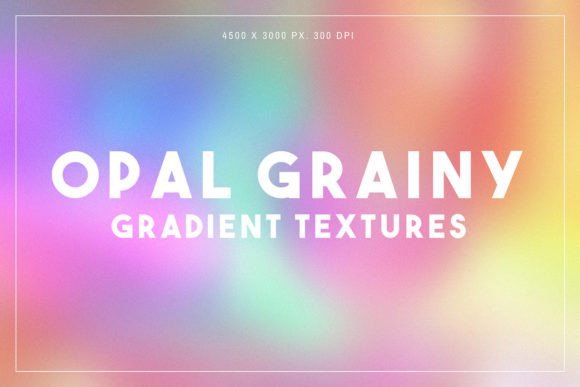
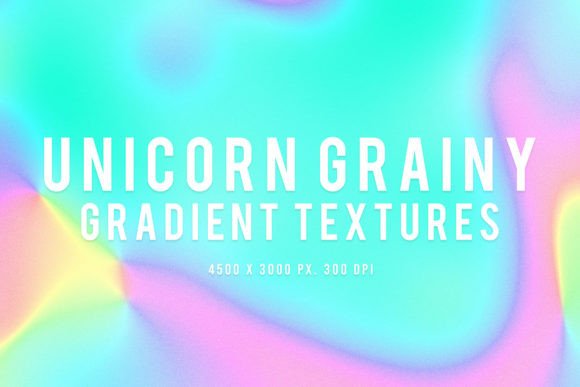
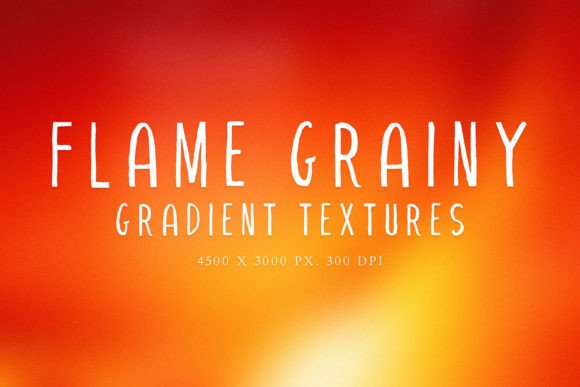
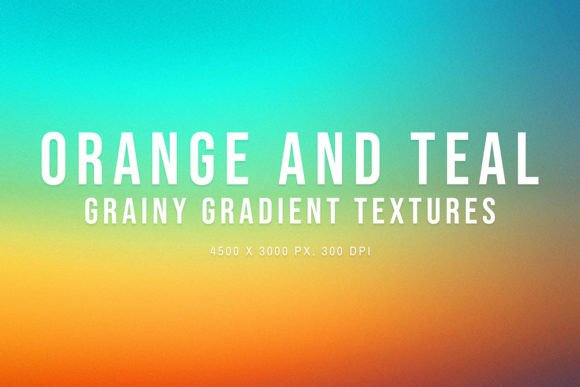
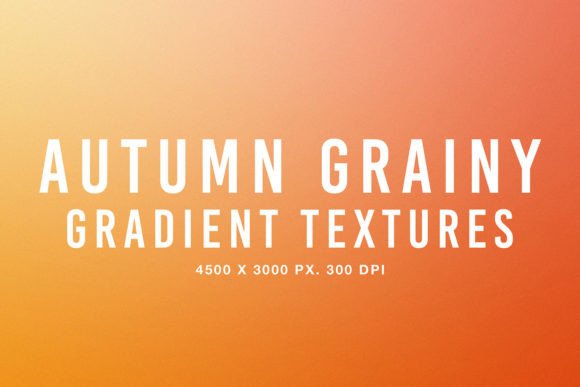
The primary distinction of Autumn Grainy Gradient Textures lies in its balance between organic imperfection and digital consistency. The "grain" element introduces a subtle noise pattern that mimics the feel of aged paper or film photography, adding a layer of sophistication often missing in flat vector graphics. This is paired with gradient backgrounds that capture the warm, earthy tones associated with the fall season—burnt oranges, deep browns, muted golds, and rich crimsons. However, unlike simple color washes, these gradients are engineered to be smooth yet textured, ensuring they integrate seamlessly with various content types.
From a technical standpoint, the asset library is built for immediate utility. Each file is delivered in JPG format, a universally compatible standard that requires no special software plugins to view or implement. The resolution is set at 4500 x 3000 pixels with a density of 300 DPI. This specification is critical for designers who require print-ready quality. Whether you are preparing a business card for local distribution or creating a large-format poster for an event, maintaining 300 DPI ensures that the grain texture remains crisp and does not pixelate when scaled up for physical media.
Practical Applications Across Industries
The versatility of these textures makes them applicable across a broad spectrum of professional and personal projects. The value of Autumn Grainy Gradient Textures is most evident when examining how it fits into real-world workflows.
- Branding and Identity: Small business owners and freelancers often struggle to create distinct brand identities during seasonal campaigns. These textures provide an instant backdrop that conveys warmth and reliability. When used as a background for logos or on letterheads, the grain adds a premium feel that suggests craftsmanship rather than mass production.
- Social Media and Digital Marketing: Marketers frequently need to refresh content calendars to align with seasonal trends. Using these textures for Instagram posts, Facebook banners, or LinkedIn articles can increase engagement by breaking the monotony of solid colors. The grain helps text overlays stand out while maintaining readability, a common pain point in social media design.
- Event Invitations and Weddings: For wedding planners and DIY enthusiasts, these digital papers serve as perfect bases for invitations and save-the-dates. The autumnal palette naturally evokes feelings of celebration and gathering, making it ideal for fall weddings. The high resolution allows for printing high-quality physical invites that look expensive and thoughtfully curated.
- Digital Scrapbooking and Photography: Photographers and hobbyists can use these textures to enhance digital albums. By placing a photo over a Autumn Grainy Gradient Texture, the image gains a vintage or artistic filter effect without altering the original photograph's data. This is particularly useful for family albums capturing seasonal memories.
Evaluating Quality and Usability
When assessing the effectiveness of any design asset, the interaction between the tool and the software environment is paramount. Autumn Grainy Gradient Textures is optimized for compatibility with Adobe Photoshop CC or higher versions. This requirement ensures that users can leverage advanced features like blending modes, opacity adjustments, and layer masks to customize the textures further. For instance, a designer might lower the opacity of a texture overlay to create a subtle vignette effect around a product photo, or use the "Multiply" blend mode to darken a background while preserving the underlying image details.
The consistency of the files is another strength. In many free or low-cost texture packs, the grain patterns vary wildly between images, leading to a disjointed look if multiple assets are used in a single project. Here, the uniformity of the grain structure across the collection allows for cohesive design systems. If you are creating a series of blog graphics or a multi-page brochure, you can rely on the textures to maintain a consistent visual language throughout the entire piece.
However, usability also depends on the user's intent. While the RGB color mode is standard for web and screen-based projects, it is worth noting that converting these files to CMYK for commercial printing may require slight color adjustments depending on the printer's profile. Professionals should always perform a soft proof before finalizing print runs to ensure the vibrant autumn hues translate accurately to physical paper.
Who Benefits Most from This Resource?
This collection is particularly valuable for individuals who lack the time or resources to create custom textures from scratch. Graphic designers working under tight deadlines will appreciate the ability to drag and drop a pre-made, high-quality background rather than spending hours building a gradient and adding noise manually. Similarly, non-designers such as bloggers, educators, and small business owners benefit significantly. With tools like Canva or even PowerPoint, these JPG files can be inserted as backgrounds to instantly upgrade the visual presentation of newsletters, slide decks, and educational materials.
The textures also serve serious hobbyists and crafters who engage in digital scrapbooking or virtual party planning. The ability to print these at 300 DPI opens doors for hybrid projects where digital designs are printed out for physical crafts, such as handmade cards, gift tags, or party decorations. The grainy texture adds a tactile dimension that pure digital gradients often lack, making the final product feel more authentic and handcrafted.
Limitations and Considerations
No design asset is without limitations, and understanding the constraints of Autumn Grainy Gradient Textures is essential for managing expectations. The primary limitation is the fixed nature of the gradient. While the grain provides texture, the color transition is predetermined. Users requiring highly specific brand colors that deviate significantly from the autumnal palette may find these textures less suitable unless they apply heavy color correction filters, which can sometimes degrade the image quality.
Additionally, because the files are provided in JPG format, they do not support transparency. If a project requires a texture to sit behind transparent elements (like a PNG logo) without a rectangular border, the user must first convert the JPG to a PSD file or mask the edges carefully in Photoshop. While this is a standard workflow step for many, it is a minor hurdle compared to using vector-based assets that allow for infinite scaling and direct color manipulation.
Long-Term Value in Creative Workflows
Investing in or utilizing a resource like Autumn Grainy Gradient Textures contributes to long-term efficiency in creative workflows. By having a library of tested, high-resolution assets, professionals can reduce the cognitive load associated with choosing backgrounds. Instead of worrying about whether a background will clash with the text or look unprofessional, the decision-making process is streamlined. This allows more time to focus on the core content, typography, and messaging of the project.
Furthermore, the aesthetic quality of these textures offers a timeless appeal within the context of seasonal design. While trends come and go, the combination of grain and gradient has remained a staple in design for decades due to its ability to add depth and character. Incorporating these textures into your portfolio or client work demonstrates an attention to detail that clients and audiences notice. It signals that the creator cares about the nuance of the visual experience, not just the arrangement of elements.
Ultimately, Autumn Grainy Gradient Textures serves as a practical tool for enhancing visual communication. Whether you are designing a website banner, a wedding invitation, or a social media campaign, the combination of high resolution, appropriate color temperature, and tactile grain provides a solid starting point. By integrating these assets thoughtfully, creators can produce work that looks polished, professional, and deeply connected to the mood of the season.