Holographic Grainy Gradient Textures
In a digital landscape saturated with flat, sterile vector graphics and predictable color palettes, the need for tactile authenticity has never been more urgent. Holographic Grainy Gradient Textures represent a significant shift in visual communication, bridging the gap between the ethereal quality of light refraction and the grounded, organic feel of physical grain. These high-resolution textures are not merely decorative overlays; they are essential tools designed to help you make your projects look professional by adding depth, dimension, and a sense of premium craftsmanship that standard designs often lack.
The relevance of these textures stems from a fundamental change in user expectations. Modern audiences have developed a sophisticated eye for detail. They can instantly distinguish between a generic stock image and a piece of art that has been meticulously layered and finished. The "grainy" aspect introduces a raw, analog character that feels human-made, while the "holographic gradient" component injects a futuristic, iridescent energy. This combination creates a unique aesthetic that resonates deeply with current design trends, moving away from the clean minimalism of the past decade toward a more expressive, multi-dimensional style.
The Evolution of Digital Aesthetics
Design trends rarely stay static for long, but the trajectory toward textured realism is gaining momentum across various industries. Historically, digital design prioritized clarity and speed, often resulting in surfaces that looked too perfect and artificial. However, as technology advances, users crave experiences that mimic the physical world. We see this in the popularity of skeuomorphism returning in new forms, where interfaces and backgrounds attempt to replicate the friction and imperfection of real materials.
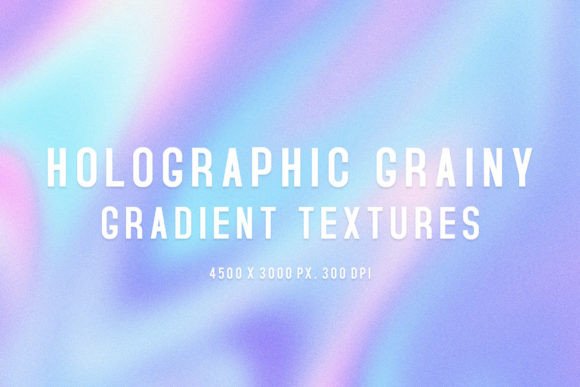
Holographic Grainy Gradient Textures fit perfectly into this evolution. They address the fatigue caused by overly polished, glossy 3D renders by offering a texture that feels slightly worn, slightly mysterious, and undeniably cool. The grain breaks up the uniformity of the gradient, preventing it from looking like a simple computer-generated wash. Instead, it gives the impression of light hitting a complex surface, perhaps metallic foil or a specialized film. This nuance is what separates amateur work from professional-grade output.
For creators and businesses, understanding this shift is crucial. It is no longer enough to simply place text on a background; the background must tell a story. The holographic effect suggests innovation and forward-thinking, while the grain suggests heritage and substance. When combined, they create a brand identity that feels both cutting-edge and established.
Practical Applications Across Creative Industries
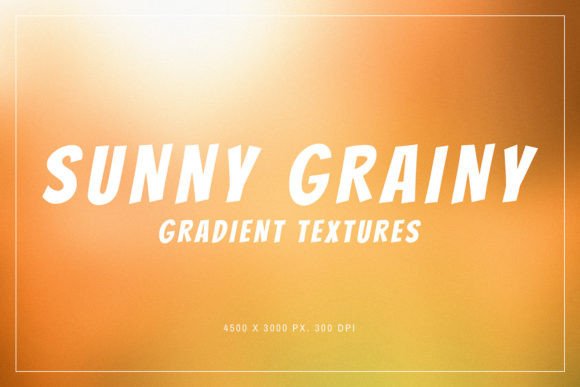
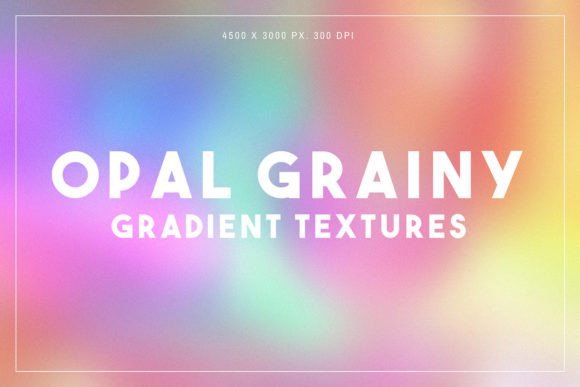
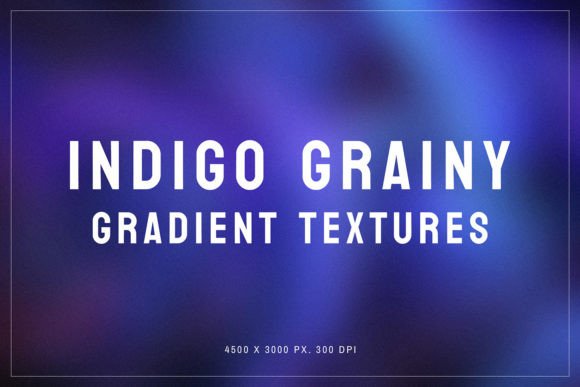
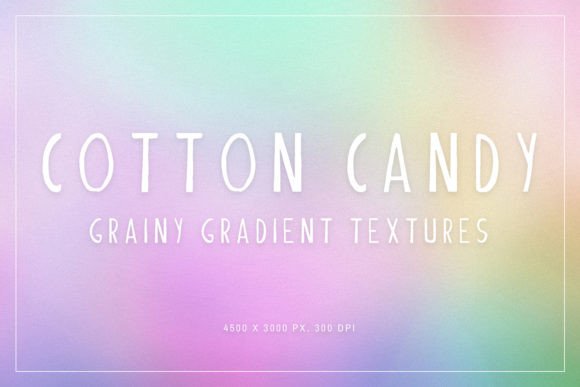
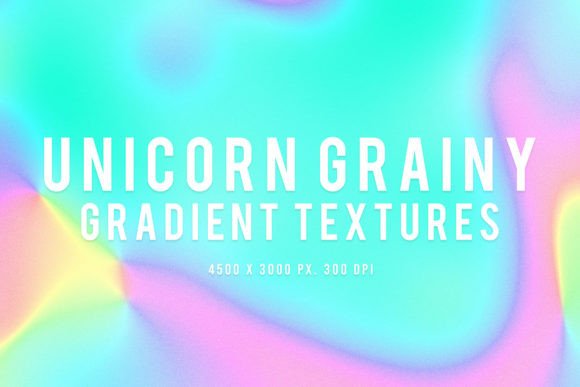
The versatility of these textures makes them applicable to a vast array of use cases, far beyond simple web design. Because they are provided as JPG File Format files with dimensions of 4500 x 3000 PX and a resolution of 300 DPI, they are robust enough for both screen and print applications without losing fidelity. The RBG Colors ensure vibrant reproduction on monitors, while the high DPI rating means they are ready for large-format printing.
- Branding and Business Cards: In a stack of matte white cards, a holographic grainy gradient can catch the light and draw immediate attention. It elevates the perceived value of a business, signaling that the company pays attention to detail.
- Social Media and Banners: Platforms like Instagram and LinkedIn are visually driven. Posts featuring these textures stand out in crowded feeds. They add a layer of sophistication to promotional banners and event announcements, making them look less like advertisements and more like editorial content.
- Product Packaging: For physical products, especially those in the beauty, tech, or lifestyle sectors, packaging is a primary touchpoint. Using these textures in mockups or actual print design can simulate premium finishes like foil stamping or embossing at a fraction of the cost.
- Digital Scrapbooking and Photography Albums: Photographers often struggle to find backgrounds that complement their images without overpowering them. These textures provide a rich backdrop that adds atmosphere to photo albums, wedding invitations, and memory books without distracting from the subject matter.
Furthermore, the compatibility with Adobe Photoshop CC or higher ensures that professionals can integrate these assets seamlessly into their existing workflows. Designers can adjust opacity, blend modes, and saturation to tailor the look to specific project needs. Whether you are creating text overlays for video content, designing party backgrounds for virtual events, or crafting invitations for weddings, the adaptability of these textures is unmatched.
Enhancing Visual Hierarchy and Readability
One of the most practical benefits of using Holographic Grainy Gradient Textures is their ability to improve readability and visual hierarchy. A solid color background can sometimes be too stark, causing text to vibrate or become difficult to read over time. Conversely, a busy photograph can obscure important information. These textures offer a middle ground: they provide enough variation to break up the monotony of flat colors, yet they maintain a level of abstraction that allows text to pop.
When applied correctly, the grain acts as a noise filter that softens harsh edges, while the gradient guides the viewer's eye across the composition. This is particularly effective for quotes and posters where the message is paramount. By placing text over a holographic gradient, designers can create a focal point that naturally draws the audience in. The subtle shimmer of the holographic effect mimics natural light reflection, which our eyes are biologically wired to notice, ensuring that key messages are seen first.
This functionality extends to websites and digital projects as well. Web designers are increasingly incorporating texture into hero sections to reduce visual fatigue. A plain white or black website can feel cold and impersonal. Introducing a subtle grainy gradient overlay can warm up the interface, making it feel more inviting and engaging. It adds a psychological layer of comfort and familiarity, even though the medium is entirely digital.
Streamlining the Creative Workflow
For freelancers, entrepreneurs, and educators, time is a valuable resource. The ability to quickly elevate a project's quality without spending hours manually creating textures is a game-changer. Holographic Grainy Gradient Textures are designed to boost up your digital artwork immediately. Instead of starting from scratch, creators can import these high-quality assets and focus their energy on layout, typography, and messaging.
The 4500 x 3000 PX resolution ensures that whether you are working on a small mobile banner or a large exhibition poster, the asset scales appropriately. There is no need to hunt for different resolutions for different platforms. The 300 DPI specification guarantees that the file is print-ready, eliminating the common pitfall of blurry prints when scaling up digital assets. This reliability reduces stress and increases productivity, allowing creators to deliver professional results faster.
Moreover, the JPG File Format is universally compatible. Unlike PSD or AI files that require specific software versions, JPGs can be opened in almost any image editing tool, presentation software, or web builder. This accessibility lowers the barrier to entry for hobbyists and beginners who may not have access to advanced design suites, while still providing the quality standards that professionals demand.
Future-Proofing Your Designs
As we move further into an era of augmented reality (AR) and immersive media, the importance of realistic textures will only grow. Users interacting with digital content expect a level of realism that was previously impossible. While we cannot predict exactly how AR will evolve, the principles of light interaction and material simulation remain constant. Holographic Grainy Gradient Textures anticipate this future by simulating complex light behaviors that are likely to become standard in digital interfaces.
Investing in these resources now positions creators ahead of the curve. By mastering the use of these textures today, professionals can adapt their skills to emerging technologies tomorrow. The trend is not just about making things look "pretty"; it is about creating a cohesive visual language that communicates quality, innovation, and care. Whether you are designing paper crafts, crafts for children, or corporate branding materials, the application of these textures adds a layer of intentionality that speaks volumes.
In conclusion, the integration of Holographic Grainy Gradient Textures into your design process is a strategic decision that enhances both the aesthetic appeal and functional utility of your work. It addresses the modern desire for authenticity, supports diverse creative needs from weddings to product launches, and streamlines production workflows. By leveraging these high-resolution assets, you ensure that your projects do not just exist in the digital void but resonate with viewers on a deeper, more sensory level.